
Why Operational Readiness Matters More Than Urgency
Moving faster doesn’t guarantee better operational outcomes

What false urgency
looks like in practice
Picture the scene…
Health and safety have condemned the racking. It needs sorting, and it needs sorting now because the workarounds are causing delays and frustration.
This pattern occurs far too often in operational environments. An urgent issue is flagged, and an immediate reaction is demanded.
But then, time and again, the same results arise.
Increased pressure leads to poorly-considered activity – then rework, frustration, wasted effort and friction.
For sustainable operational excellence, organisations need to avoid acting through urgency, instead following clarity, readiness, and leadership thinking.
The hidden cost of rushed decisions
Whether it’s the condemned racking, an unexpected resignation, or a supply failure – suddenly, everything becomes urgent.
There’s pressure. There’s escalation. There’s a push to “just get it done.”
Going back to our example. External contractors are booked. They’ll be here on Thursday. We’re locked in. We’re making progress.
But let’s look deeper…
When Thursday arrives and the contractors turn up, what really happens? One isn’t wearing the correct PPE and is sent away. They return as quickly as possible, but time is already lost.
The information is vague. They review the job and assess the site only to find materials aren’t accessible and they can’t start.
Meanwhile, internally, there’s 1–2 hours of work needed just to prepare the site: moving stock, clearing access, locating materials.
And none of that has been done.
None of these failings are because people don’t care or aren’t capable. The problems have come because we pushed for action, without checking readiness.

So what happens next?
Now we have three external contractors standing waiting. The clock is ticking, costs are increasing, and frustration is building.
This isn’t a people problem, it’s a system problem.
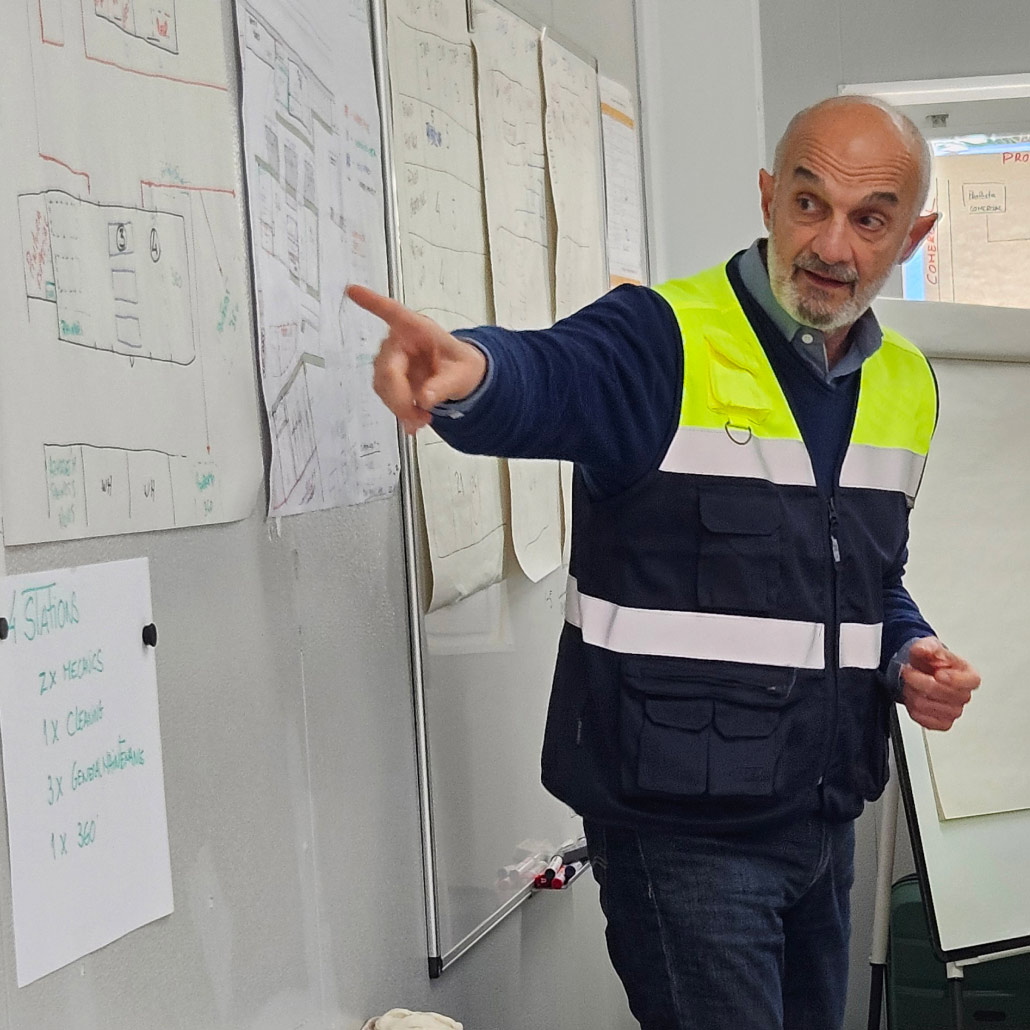
And in some organisations, this quick reaction is rewarded more visibly than preparing properly.
This is what false urgency looks like.
It feels productive and it sounds proactive, but in reality, it creates delays, rework, wasted cost, and frustration.
What would good look like?
- Ownership assigned.
- Scope clearly defined.
- Site prepared and accessible.
- Requirements agreed upfront.
- Materials located and confirmed.
Not “Are they coming in?”
But “Are we ready for them to succeed?”
Operational excellence isn’t about moving fast. It’s about removing the reasons things can’t move.
Final reflection
When you hear: “What’s the point of pushing so hard when we can’t even do the job properly?”
That’s not disengagement. That’s people seeing the gap between intent and execution. That gap is where leadership lives.
Are your leaders creating readiness or constantly reacting to urgency?